
In recent years, the demand for innovative, sustainable, and durable building materials has surged globally, driven by rapid urbanization and evolving consumer preferences. Among the various options available, plastic interior cladding sheets have emerged as a popular choice for interior design and construction projects. China, as one of the leading hubs for manufacturing these materials, is seeing significant growth and transformation in this sector, reflecting broader trends in the global wood and composite products industry.
China’s plastic interior cladding sheets manufacturers have been investing heavily in research and development, production capacity, and quality assurance to meet both domestic and international market demands. These manufacturers are leveraging advanced technologies and eco-friendly materials to produce cladding sheets that offer superior aesthetics, durability, and ease of installation. This combination positions them as crucial contributors to the building materials supply chain, especially in segments focused on efficient, sustainable construction solutions.
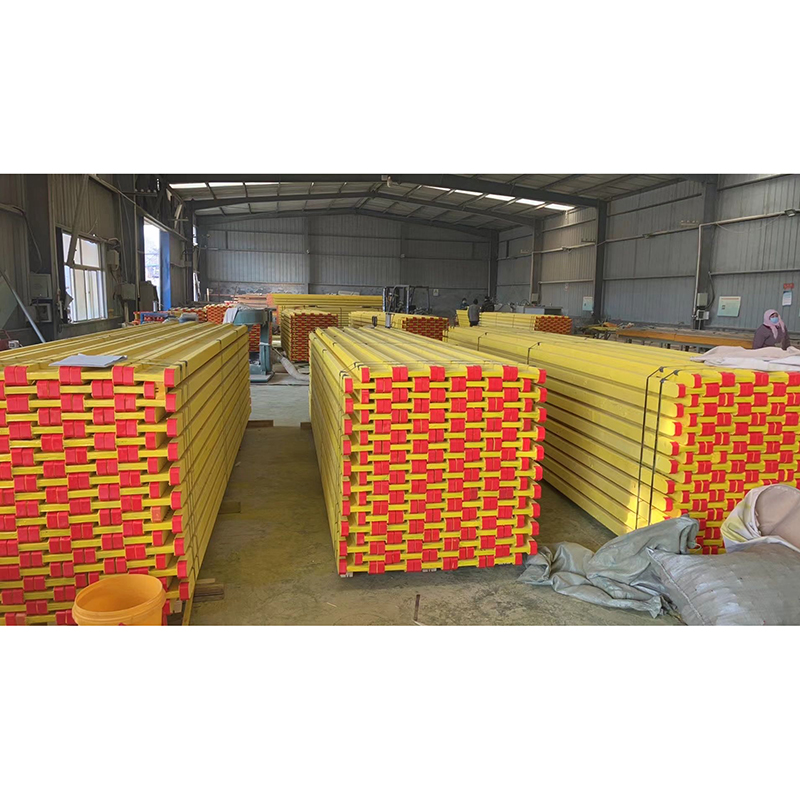
One notable example from the wood and composite sector highlights how companies are adapting to these trends by combining traditional expertise with modern innovation. A leading player in the wood products industry has recently emphasized its strong foundation in wood manufacturing while expanding its portfolio to include plastic-based interior cladding solutions. This strategic move demonstrates the increasing convergence of wood and plastic materials in the construction industry, aiming to offer customers a broader range of functional and decorative options.
This company’s seasoned team brings deep industry knowledge and manufacturing capabilities, enabling it to produce high-quality wood and plastic products that cater to diverse customer requirements. Their understanding of material properties, combined with technical proficiency, allows them to innovate continuously and deliver products that perform well in varied environments.
### Rising Popularity of Plastic Interior Cladding Sheets
Plastic interior cladding sheets are gaining popularity for several reasons. Firstly, they are lightweight compared to traditional wooden or ceramic cladding materials, which makes transportation and installation more efficient and less labor-intensive. Additionally, plastic sheets generally exhibit strong resistance to moisture, insects, and chemical degradation, enhancing their durability in humid or otherwise challenging conditions.
Secondly, these sheets offer remarkable design flexibility. Available in a wide range of textures, colors, and finishes—including wood grain, stone, and solid colors—they allow architects and interior designers to realize creative visions without compromising on functionality. This versatility makes plastic cladding sheets suitable for residential, commercial, and industrial applications, ranging from wall paneling and ceiling coverings to partitions and decorative facades.
Furthermore, manufacturers in China are increasingly focusing on sustainability. By integrating recycled plastics and employing environmentally friendly manufacturing processes, they reduce the carbon footprint of their products. This approach aligns with global sustainability goals and caters to the growing green building market, where material lifecycle and environmental impact are critical considerations.
### Strategic Growth and Innovation Among Manufacturers
China’s interior cladding sheets industry is characterized by continuous innovation and strategic expansion. Manufacturers are developing new composite materials that combine polymers with natural fibers or wood pulp, enhancing mechanical properties and aesthetic appeal while maintaining sustainability. These hybrid materials offer improved fire resistance, thermal insulation, and acoustic performance, further broadening their applications.
In addition, technological advancements in extrusion and molding techniques enable the production of cladding sheets with consistent quality and precision. Automated inspection systems and stringent quality control protocols ensure that each product meets international standards, fostering greater trust among global buyers.
The company highlighted earlier serves as an exemplary model of such industry players. While rooted in traditional wood manufacturing strength, with a seasoned team well-versed in the intricacies of wood products, it is expanding its expertise into plastic interior cladding. This transition showcases a proactive approach to market trends, leveraging core competencies to diversify product lines and meet evolving customer demands.
### Meeting Diverse Customer Needs
One of the key strengths of leading manufacturers in China is their ability to tailor products to specific market segments. Whether customers require cost-effective solutions for large-scale construction or premium, customized cladding for upscale interiors, manufacturers offer a wide range of options. This flexibility is underpinned by deep industry knowledge and an understanding of regional building codes and consumer preferences.
Companies like the one discussed here emphasize collaboration with architects, designers, and contractors during product development. By engaging closely with stakeholders, they ensure that their cladding sheets not only adhere to safety and quality standards but also enhance the overall aesthetic and functional value of the built environment.
Moreover, the ability to provide excellent after-sales support contributes to customer satisfaction and long-term industry reputation. Comprehensive service packages, including technical guidance on installation, maintenance, and refurbishment, further distinguish top-tier manufacturers in this highly competitive arena.
### Outlook for China’s Plastic Interior Cladding Industry
Looking ahead, China’s plastic interior cladding sheets manufacturers are well-positioned to capitalize on increasing urbanization, technological progress, and growing environmental concern. The shifting regulatory landscape toward sustainable construction materials, combined with rising income levels and construction activities in developing regions, creates a favorable demand environment.
While global supply chain challenges and raw material price fluctuations remain potential risks, Chinese manufacturers’ commitment to innovation, quality, and sustainability provides a solid foundation for continued growth. Integration of digital technologies, including Industry 4.0 practices, is expected to enhance manufacturing efficiency and product traceability, further strengthening their competitive edge.
### Conclusion
The evolution of China’s plastic interior cladding sheets manufacturing sector underscores the broader transformations within the building materials industry. Driven by consumer demand and sustainability imperatives, manufacturers are leveraging advanced technologies and expertise to offer products that blend aesthetics, durability, and environmental responsibility.
With their strong heritage in wood products manufacturing and a forward-looking approach to integrating plastic-based solutions, companies in China exemplify how tradition and innovation can intersect to deliver value across global markets. As urban development continues and sustainable building practices gain momentum, the plastic interior cladding sheets industry in China is poised for significant growth and lasting impact.