
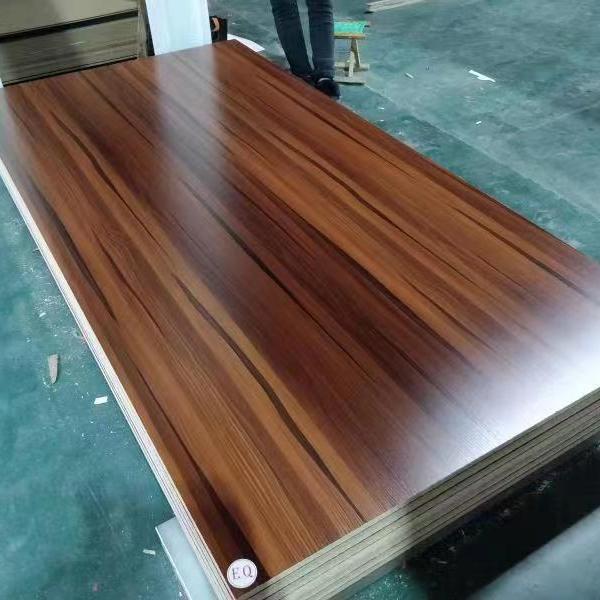
In the ever-evolving world of interior design and construction, the demand for hygienic, durable, and aesthetically pleasing wall cladding solutions continues to rise. Among these, the 2.5 mm hygienic wall cladding thickness has emerged as a popular choice for environments requiring stringent hygiene standards such as hospitals, laboratories, commercial kitchens, and clean rooms. This trend highlights the growing emphasis on materials that combine functionality with ease of maintenance, without compromising on style and durability.
In this context, several key suppliers have stepped up to meet the increasing market demands by offering advanced 2.5 mm hygienic wall cladding options, known for their superior quality, compliance with health standards, and innovative design features. These suppliers leverage cutting-edge production techniques and materials science to provide wall claddings that ensure a safe and clean environment, vital for sensitive and high-traffic spaces.
---
### Expertise in Wood-Based Hygienic Wall Cladding
A particularly notable contributor to this market is a company with deep-rooted expertise in the wood industry. Often recognized for their comprehensive knowledge and commitment to quality, such suppliers bring decades of experience to the production of hygienic wall cladding solutions. Their seasoned teams not only possess a profound understanding of wood products but also adapt these skills to develop hygienic wall cladding that meets diverse customer requirements.
One of the core strengths of these manufacturers lies in their ability to integrate traditional wood craftsmanship with modern technological advancements. By doing so, they create cladding products that are not only hygienic and easy to maintain but also environmentally friendly, adding an element of sustainability to the equation.
---
### Why 2.5 Mm Thickness?
The choice of 2.5 mm as a standardized thickness for hygienic wall cladding is deliberate and strategic. This thickness offers an optimal balance between durability and ease of installation. Thicker claddings often involve higher costs and logistical challenges, while thinner options may not provide the necessary strength or resistance to wear and tear.
At 2.5 mm, these claddings are robust enough to withstand daily impact, abrasion, and cleaning protocols, while remaining light enough for fast and efficient installation. This thickness also allows for a broad range of material choices, from high-quality PVC and composite materials to advanced wood-based panels treated with hygienic coatings.
---
### Key Features of 2.5 Mm Hygienic Wall Cladding
- **Hygienic Surface:** The cladding is designed to provide a smooth, non-porous surface that prevents the accumulation of dirt, bacteria, and mold. This is essential in healthcare and food preparation environments where hygiene is paramount.
- **Easy to Clean:** Materials are selected and treated to withstand frequent cleaning with harsh disinfectants without degrading or discoloring.
- **Durability:** Resistant to physical damage such as scratches, dents, and impact, ensuring longevity and sustained performance.
- **Aesthetic Flexibility:** Available in a variety of finishes, textures, and colors, the cladding can seamlessly blend into any interior design scheme, from minimalistic modern to warm natural wood looks.
- **Moisture and Chemical Resistance:** Critical for wet environments, this cladding prevents water ingress and resists chemical corrosion.
---
### Serving Diverse Sectors
The applications of 2.5 mm hygienic wall cladding stretch across multiple industries:
- **Healthcare:** Hospitals and clinics require surfaces that support infection control protocols. Hygienic wall cladding simplifies cleaning and reduces contamination risks.
- **Pharmaceuticals:** Laboratories and production areas benefit from cladding solutions that maintain sterile environments.
- **Food Processing and Commercial Kitchens:** Hygienic wall cladding withstands exposure to moisture, heat, and cleaning chemicals while maintaining food safety standards.
- **Education and Public Facilities:** Schools and community centers utilize these claddings to ensure safe, easy-to-maintain environments for children and the public.
---
### Commitment to Quality and Customer Satisfaction
Companies leading in this niche emphasize customer-centric approaches by customizing products to client needs, offering technical support, and ensuring compliance with international standards. Their seasoned teams of experts assist clients from project conception to execution, ensuring every specification is met or exceeded.
The blend of traditional craftsmanship with modern industrial processes results in consistently high-quality products that enhance the safety and aesthetics of any facility. Moreover, the commitment to sustainable practices—including responsibly sourced materials and eco-friendly production—addresses growing global concerns about environmental impact.
---
### Future Outlook
The market for hygienic wall cladding shows promising growth as industries increasingly prioritize hygiene, safety, and efficiency within their facilities. Innovations in material science and manufacturing processes continue to enhance product offerings, including advancements in antimicrobial coatings, fire resistance, and eco-friendly compositions.
Suppliers with deep industry expertise and adaptability are well-positioned to lead this evolving market. Their understanding of the nuanced requirements of diverse sectors enables them to develop comprehensive solutions that support health, sustainability, and design excellence.
---
### Conclusion
The rising importance of hygienic wall cladding, particularly in the robust and versatile 2.5 mm thickness category, represents a significant development in interior construction. Backed by seasoned industry players with extensive expertise in wood and related products, these solutions are transforming spaces into safer, cleaner, and more durable environments. As demand continues to grow, innovation and quality will remain critical drivers, ensuring that hygienic wall cladding not only meets functional needs but also enhances the ambiance and sustainability of modern facilities.