
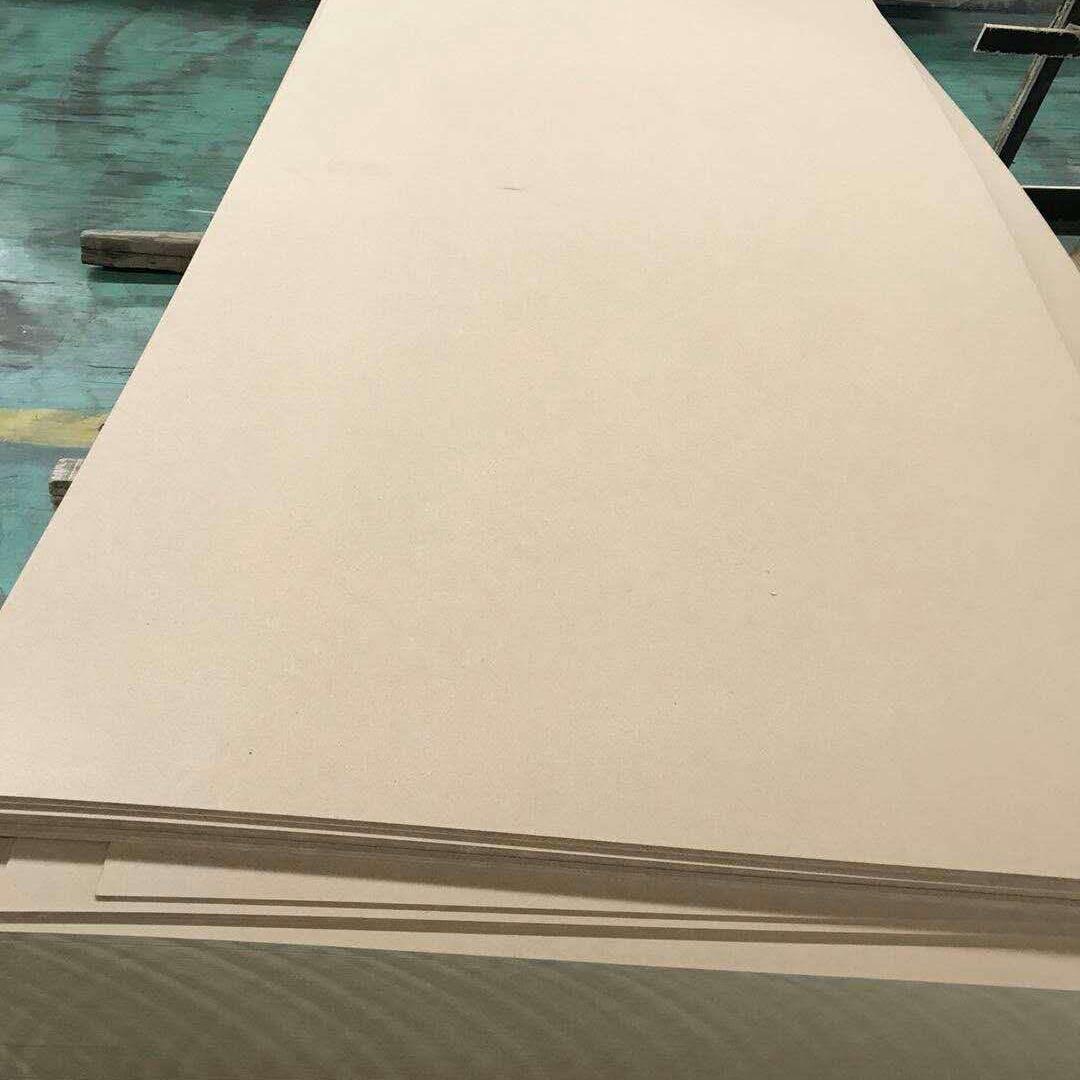
In the constantly evolving world of interior design and home construction, the demand for durable and versatile materials is ever-growing. Among the many advancements reshaping the industry, the introduction of marine plywood specifically designed for bathroom floors is making waves. This development offers homeowners and builders a reliable, moisture-resistant, and aesthetically pleasing solution — addressing one of the most persistent challenges associated with wood usage in wet environments.
### The Challenge of Using Wood in Bathrooms
Bathrooms are unique spaces where materials face constant exposure to moisture, temperature fluctuations, and heavy foot traffic. Traditionally, choosing wood for bathroom floors was considered risky because regular plywood and hardwoods are susceptible to water damage, warping, and fungal growth. Conventional tile, stone, or vinyl flooring options have dominated this space largely due to their resistance to water. However, many designers and consumers prefer the warmth and natural beauty of wood finishes, leading to a quest for engineered wood materials that can stand up to bathroom conditions.
### Marine Plywood: A Robust Solution
Marine plywood emerges as a superior solution due to its unique manufacturing process. Unlike ordinary plywood, marine plywood is constructed with waterproof adhesive and high-grade hardwood veneers, making it exceptionally resilient against water penetration. The enhanced bonding and carefully selected materials ensure that the plywood sustains structural integrity even in high-moisture environments.
This type of plywood is commonly used in marine settings such as boat construction, where materials must resist not just exposure to water, but prolonged immersion. Applying this same principle to bathroom floors ensures longevity, structural strength, and reduced maintenance without compromising the natural beauty that wood offers.
### Advancements in Marine Ply for Bathroom Floors
The latest innovation in the field is the adaptation of marine plywood tailored specifically for bathroom flooring requirements. Innovations include optimizing the plywood thickness for flooring stability, treating the surface to resist mold and mildew, and designing edges that minimize water seepage.
Moreover, the surface finish options now include a variety of textures and coatings that enhance slip resistance, an essential safety feature for wet areas. The combination of these features means that modern marine plywood is no longer just a raw building material but a finished, ready-to-install solution for high-moisture flooring applications.
### Aisen: Pioneering Expertise in Wood Products
The emergence of marine plywood for bathroom floors is closely tied to the advances made by industry leaders with deep knowledge and experience in wood product manufacturing. One such company is Aisen, a prominent player in the wood industry renowned for its commitment to quality and innovation.
Aisen’s strength lies in its extensive expertise in producing wood products that meet diverse and stringent demands. With a seasoned team of industry professionals who possess a deep understanding of wood properties, manufacturing processes, and customer needs, Aisen has been at the forefront of developing advanced plywood solutions.
The company’s approach to product development is rooted in rigorous quality standards and continuous innovation. This enables Aisen to produce marine plywood that not only meets but often exceeds industry benchmarks for durability, moisture resistance, and environmental sustainability.
### Meeting Diverse Customer Needs
Aisen recognizes that the demands of customers vary widely — from residential property developers to commercial construction firms — and ensuring product versatility is vital. The marine plywood designed for bathroom flooring is an excellent example of Aisen’s customer-centric innovation.
By tailoring the product specifications to suit bathroom applications, Aisen has bridged the gap between natural aesthetic preferences and technical performance requirements. This means architects, interior designers, and builders can now confidently specify marine plywood for bathroom floors as a premium wood flooring option.
### Environmental Responsibility and Sustainability
Another key focus of Aisen’s manufacturing philosophy is sustainability. The company places emphasis on responsible sourcing of raw materials, minimizing waste during production, and employing environmentally-friendly adhesives and treatments.
Marine plywood’s durability contributes directly to sustainability by extending the lifecycle of the flooring, reducing the need for frequent replacements, and lowering environmental impact. For environmentally conscious consumers and projects targeting green building certifications, this is a significant advantage.
### Industry Impact and Future Prospects
The availability of marine plywood for bathroom floors represents a significant development in both the wood industry and interior construction markets. It provides a viable alternative to synthetic floor coverings while maintaining the desirable characteristics of real wood.
Looking ahead, further enhancements in technology and materials science are expected to improve the performance of marine plywood even more, increasing water resistance, ease of installation, and affordability. Companies like Aisen will likely continue to lead these advancements by leveraging their expertise and customer feedback to refine their products.
### Conclusion
Marine plywood tailored for bathroom floors is revolutionizing the possibilities of wood flooring in wet areas. Combining natural warmth, durability, and moisture resistance, this innovation addresses a critical need in modern construction and interior design.
With industry pioneers such as Aisen driving the development and production of these advanced wood products, customers can look forward to high-quality, reliable, and sustainable solutions that marry aesthetics with performance. The evolution of marine plywood highlights how expertise and innovation can meet emerging market demands, ultimately enhancing the quality and longevity of residential and commercial spaces alike.